The Bible warns repeatedly about false prophets and the dangers of following them. Understanding how to identify true and false prophets is essential for spiritual safety and growth.
Consequences for False Prophets
- Deuteronomy 18:20: Any prophet who speaks presumptuously in God’s name or speaks for other gods shall face death. God ensures that false prophets do not have lasting authority to mislead.
- Deuteronomy 13:1–5: Even if a prophet performs signs or wonders but leads people to serve other gods, they must not be followed and are subject to death.
- Jeremiah 14:14: False prophets prophesy lies, visions, and deceit without God’s command.
- Isaiah 9:15–16: Leaders who teach lies cause people to go astray, resulting in destruction for those who follow them.
New Testament Warnings
- Matthew 24:11: Many false prophets will arise and deceive many people.
- 2 Corinthians 11:13: False apostles disguise themselves as true apostles of Christ.
- Titus 1:16: False prophets may claim to know God but deny Him by their works.
- Mark 13:22: False Christs and false prophets may perform signs and wonders to deceive, even potentially the elect.
How to Identify False Prophets
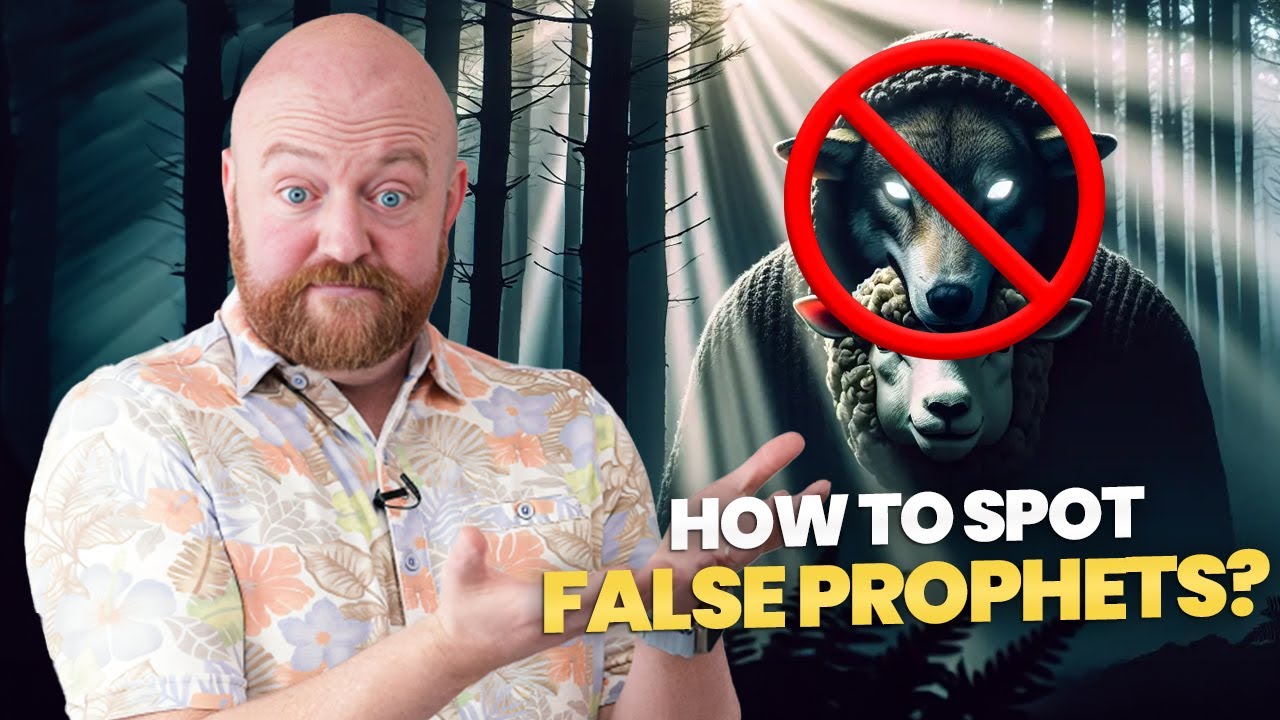
- Matthew 7:15–20: False prophets appear as sheep but are inwardly ravening wolves. Their true nature is revealed by their fruits—their actions, teachings, and the outcomes of following them.
- 1 John 4:1: Test every spirit to determine if it is from God, as many false prophets have gone out into the world.
- Moroni 7:16–19: Good comes from God; evil comes from the devil. Discernment through the Light of Christ allows us to judge true from false. The Spirit of Christ enables us to recognize good and evil.
Guidelines for Discernment
To avoid following false prophets, the Bible emphasizes:
- Examine the fruits of their actions and teachings.
- Test the spirits and seek guidance from the Holy Ghost.
- Recognize that true prophets lead to God and invite continual good, whereas false prophets entice to evil.
- Apply personal discernment and prayer to confirm the truth of their message.
Conclusion
False prophets exist in both the Old and New Testaments. They may speak convincingly or perform signs, but their words and actions ultimately reveal their source. The Bible teaches us to test prophets by their fruits, the Spirit of Christ, and their alignment with God’s truth. Discernment, prayer, and careful study of scripture protect us from deception and guide us to follow God’s true messengers.