Pride and humility are more than personality traits—they are spiritual directions. One draws us toward God, the other pulls us away. Understanding these two forces helps explain why, even when we try our best, we sometimes feel disconnected from God or distant from what matters most.
Pride in Scripture
The Bible consistently warns against pride and exhorts humility. Key verses include:
- Proverbs 16:18: “Pride goeth before destruction, and a haughty spirit before a fall.”
- Matthew 23:12: “Whoever exalts himself will be humbled, and whoever humbles himself will be exalted.”
- James 4:6: “God resisteth the proud, but giveth grace unto the humble.”
Pride is more than arrogance. In Luke 18, Jesus contrasts a boastful Pharisee with a humble tax collector. The humble man, who acknowledges his need for God’s mercy, is justified. In the Old Testament, pride leads to the downfall of kings like Pharaoh (Exodus 10:3) and Nebuchadnezzar (Daniel 4), illustrating that self-reliance and arrogance are forms of spiritual rebellion.
Humility in Scripture
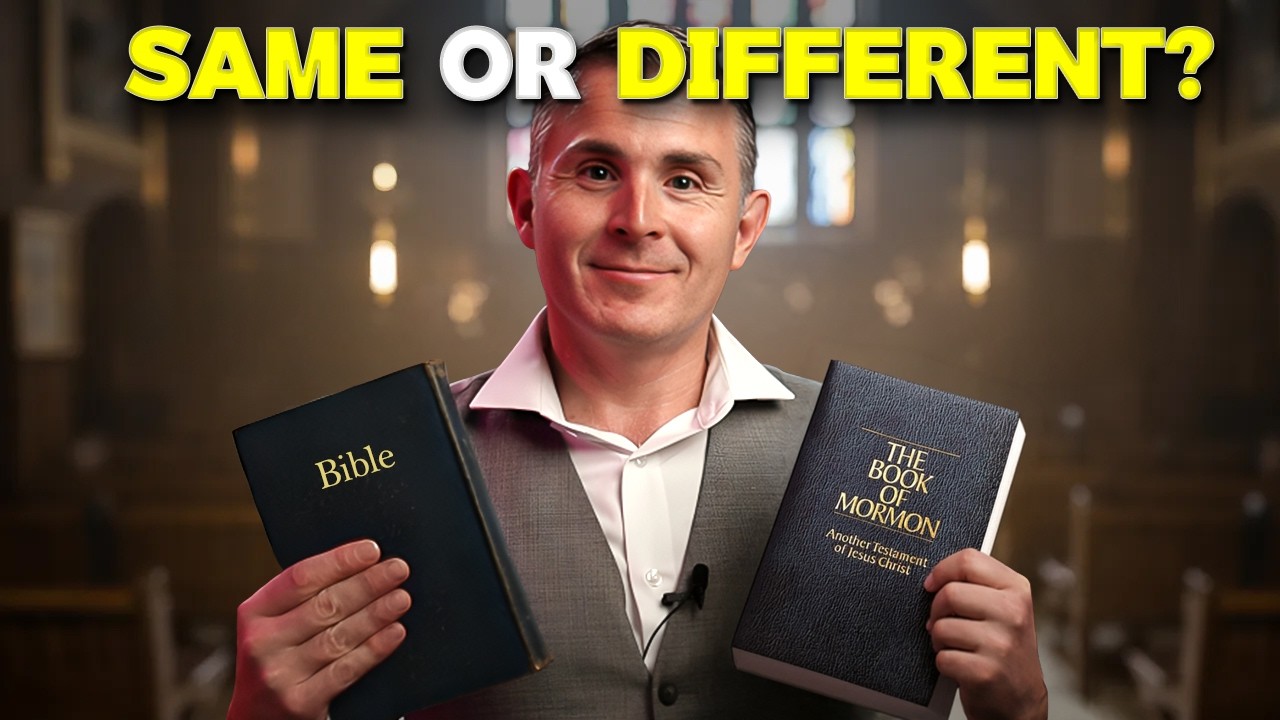
Humility is openness to God’s guidance and a recognition that we depend on Him. The Book of Mormon emphasizes this spiritual pattern: the humble have soft hearts, while the prideful have hard hearts and stiff necks. Alma teaches that humility invites God’s influence, direction, and deliverance.
Ancient and Extrabiblical Perspectives
Other ancient texts reinforce these truths and provide additional context:
- The Book of Jasher (23): Satan appears to Abraham disguised as a humble man, attempting to deceive him. This shows that false humility—humility used to manipulate—is spiritually dangerous.
- The Sayings of the Desert Fathers: Early Christian hermits emphasized that avoiding pride is not enough; we must actively cultivate humility. Even anger can arise from pride when we believe we are above correction.
- The Words of Ahiqar: Wisdom sayings warn that relying too much on one’s own strength leads to trouble, echoing the consistent biblical theme that true strength comes from God.
Spiritual Delusion and False Humility
Some Christian traditions identify spiritual delusion as a state where one believes they are humble while being secretly prideful. False humility can be more dangerous than overt pride because it masks the heart’s true posture.
The Two Spiritual Directions
Pride and humility are directional. They reflect our orientation toward God:
- Pride: Trusting in our own strength, seeking attention or control, resisting correction, moving away from God.
- Humility: Recognizing our dependence on God, receiving correction, surrendering to His will, moving toward God.
The critical question is not whether we act proud at times, but which direction we are moving: toward God or away from Him. Humility is not thinking less of ourselves; it is acknowledging that our strength comes from Christ and that through Him we can repent, change, and grow.
Next Step
For a deeper understanding of humility as a spiritual foundation, see The Essential Role of Humility. That episode explores why humility is essential for becoming like our Heavenly Father, how God uses weakness to draw us back to Him, and why Jesus Christ exemplifies perfect humility through His Atonement.