The Book of Mormon contains 210 chapters across 15 books, spanning approximately 531 pages in the edition referenced in the transcript. It is a volume of scripture used by members of The Church of Jesus Christ of Latter-day Saints and is presented as an account of ancient peoples who lived on the American continent.
How Many Books Are in the Book of Mormon?
The Book of Mormon is divided into individual books, many of which are named after the prophet or historical figure associated with the record. They include:
- 1 Nephi
- 2 Nephi
- Jacob
- Enos
- Jarom
- Omni
- Words of Mormon
- Mosiah
- Alma
- Helaman
- 3 Nephi
- 4 Nephi
- Mormon
- Ether
- Moroni
Together, these books contain 210 chapters and bring together records from numerous prophets and historical figures.
What Is the Book of Mormon About?
The Book of Mormon describes itself as another testament of Jesus Christ. According to its narrative, it records the history and spiritual experiences of ancient peoples who came to the American continent from the Old World at different times.
Two major groups are described in the record. The first are the Jaredites, who are said to have traveled to the American continent around the time of the Tower of Babel. The second group traces its origins to Lehi, a prophet who left Jerusalem with his family and traveled to the Americas.
The record follows the descendants of Lehi’s family and other peoples for centuries, covering a period of roughly a thousand years.
Who Wrote the Book of Mormon?
The Book of Mormon contains the writings of numerous prophets and record keepers rather than a single author. Individual books are often associated with particular writers, such as Nephi, Jacob, Enos, Alma, Mormon, and Moroni.
According to the Book of Mormon’s account, Mormon lived near the end of the historical period covered by the record. He compiled and abridged many earlier records into a single account, which is why the book is known as the Book of Mormon.
His son, Moroni, continued the record after Mormon’s death and eventually completed the final portion of the book.
How Long Does the Book of Mormon Cover?
The narrative spans approximately a thousand years. It begins with the migration of ancient peoples to the American continent and continues through generations of prophets, kings, wars, religious teachings, and significant spiritual events.
One of the central events in the record occurs after the resurrection of Jesus Christ, when the Book of Mormon describes Christ appearing to the people in the Americas and teaching them.
Jesus Christ in the Book of Mormon
Although the Book of Mormon contains extensive historical material, its central religious message is focused on Jesus Christ. Its prophets repeatedly teach about Christ’s coming, His mission, His Atonement, His death and Resurrection, and His role as the Savior.
One example comes from King Benjamin, who delivered a final sermon to his people and testified of the coming of Jesus Christ. In Mosiah 3, King Benjamin prophesied that Christ would come among humanity, perform miracles, heal the sick, suffer, and ultimately fulfill His divine mission.
“And he shall be called Jesus Christ, the Son of God, the Father of heaven and earth, the Creator of all things from the beginning.”
— Mosiah 3:8
Book of Mormon at a Glance
- 210 chapters
- 15 books
- Approximately 531 pages in the edition referenced
- Multiple prophets and record keepers
- Approximately 1,000 years of history
- Central message: Jesus Christ is the Son of God and the Savior of humanity
Why Is the Book of Mormon Called Another Testament of Jesus Christ?
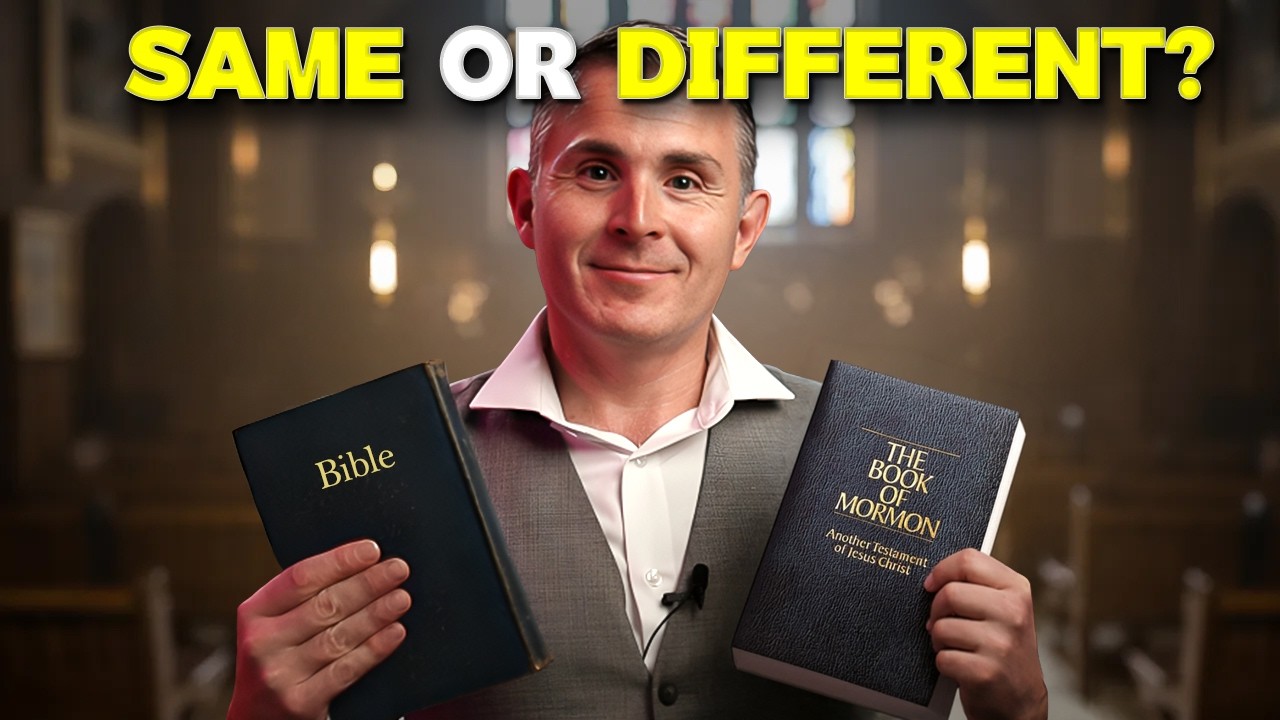
The full title, The Book of Mormon: Another Testament of Jesus Christ, reflects its central purpose. Like the Bible, the Book of Mormon contains teachings and testimonies about Jesus Christ.
For members of The Church of Jesus Christ of Latter-day Saints, the Book of Mormon is considered scripture that complements the Bible and provides another witness of Jesus Christ. Its 210 chapters bring together centuries of history, prophecy, and religious teaching centered on Him as the Son of God, Redeemer, and Savior.