How does someone know they have been called to be a prophet? In the biblical and Latter-day Saint tradition, prophets do not simply appoint themselves. They are called by God and receive experiences or spiritual confirmation that they have been given a divine responsibility.
The stories of Moses, Jeremiah, Lehi, and Joseph Smith illustrate different ways prophets came to understand their calling, while also highlighting a common theme: preparation, revelation, and a responsibility to guide and serve God’s people.
Moses: A Direct Call from God
Moses provides one of the clearest examples of a prophetic calling. After growing up in Egypt and later living in the wilderness, Moses encountered God through the experience of the burning bush on Mount Sinai.
Through this experience, Moses received a direct assignment: return to Egypt and lead the children of Israel out of bondage.
His earlier experiences had also prepared him for this mission. His upbringing, experiences, and years in the wilderness became part of the preparation for the responsibility he would eventually receive.
Jeremiah and the Idea of a Divine Calling
The calling of Jeremiah illustrates another important idea in the Latter-day Saint understanding of prophets. In Jeremiah 1:4–5, the Lord tells Jeremiah:
“Before I formed thee in the belly, I knew thee; and before thou camest forth out of the womb, I sanctified thee, and I ordained thee a prophet unto the nations.”
This passage is understood by Latter-day Saints as evidence that Jeremiah’s prophetic mission was known and prepared for before his mortal life.
From this perspective, prophetic service is not simply an unexpected assignment. Individuals may have been prepared spiritually before coming to earth, while their experiences and development during mortality prepare them further for their responsibilities.
Lehi: A Calling Through Revelation
The Book of Mormon provides another example through the prophet Lehi, who lived in Jerusalem around the same time as the Old Testament prophet Jeremiah.
After hearing Jeremiah warn the people to repent, Lehi prayed for his people. During that prayer, he received a remarkable spiritual experience involving a pillar of fire and received a call from the Lord.
Lehi was instructed to take his family from Jerusalem and journey toward a promised land. He subsequently became a prophet and kept records that were preserved by his descendants and eventually became part of the Book of Mormon.
His story illustrates a recurring pattern: a person seeks God, receives revelation, and is given a responsibility to help others.
Prophets Are Called by God
The Bible emphasizes that prophetic authority is not something a person simply claims for themselves. Hebrews 5:4 states:
“And no man taketh this honour unto himself, but he that is called of God, as was Aaron.”
From this perspective, a prophet knows he is a prophet because God has called him. That calling may come through a dramatic revelation, as in the experiences of Moses or Joseph Smith, or through other forms of divine direction.
What Is the Role of a Prophet?
Prophets are described in scripture as watchmen who warn, teach, guide, and help people turn toward God.
Isaiah 61:1 describes an anointed servant who is sent to:
- Preach good news to the meek
- Bind up the brokenhearted
- Proclaim liberty to those who are captive
- Help those who are spiritually bound
Prophets therefore have a role that extends beyond predicting future events. They are called to teach God’s word, warn people of spiritual dangers, encourage repentance, and help people draw closer to God.
Ephesians 4:13 also describes apostles and prophets as serving in the work of strengthening the Saints and helping believers come to a unity of faith.
Why Multiple Witnesses Matter
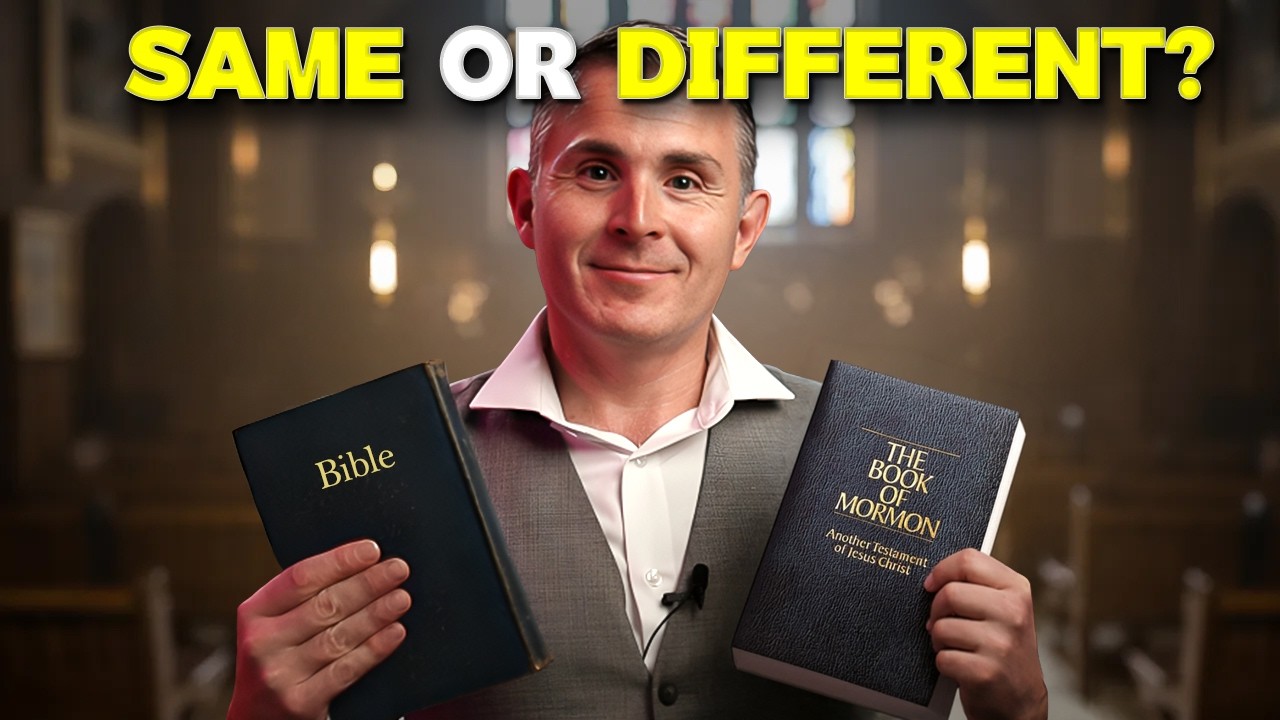
The transcript emphasizes the importance of having multiple witnesses of God’s dealings with humanity. In the Latter-day Saint view, the Bible and Book of Mormon provide complementary witnesses of Jesus Christ.
The Book of Mormon also teaches that God speaks to people in different nations and remembers people throughout the world. This supports the idea that God’s guidance is not limited to one geographical location or group of people.
For Latter-day Saints, having additional scripture and prophetic witnesses provides another perspective through which biblical teachings and the gospel of Jesus Christ can be understood.
Joseph Smith and the Calling of a Modern Prophet
Joseph Smith’s story provides the Latter-day Saint example of a modern prophetic calling.
In 1820, while trying to determine which church he should join, Joseph read James 1:5, which teaches that those who lack wisdom can ask God for it. Rather than relying solely on competing religious claims, he decided to pray for himself.
According to his account, God the Father and Jesus Christ appeared to him in answer to that prayer. This experience, known as the First Vision, became the foundation of his later prophetic work.
Joseph Smith maintained that he knew the experience had actually happened, even when others criticized and persecuted him for describing it. His certainty came from what he believed he had personally experienced and received from God.
Do We Need Prophets Today?
For those who believe in continuing revelation, prophets are important because people still face changing circumstances, difficult decisions, and spiritual questions. A living prophet is viewed as a watchman and spokesman who can provide guidance from God for the present day.
The stories of Moses, Jeremiah, Lehi, and Joseph Smith demonstrate the principle that prophets are called rather than self-appointed. Their missions involve receiving divine direction and using that direction to teach, warn, strengthen, and guide others.
Ultimately, the Latter-day Saint understanding is that prophets know they are prophets because they have been called by God and have received spiritual confirmation of that calling. Their purpose is not simply to hold a title, but to serve as witnesses of Jesus Christ and help God’s children find greater faith, direction, and unity.