The Bible speaks extensively about the church, using various terms such as church, synagogue, temple, tabernacle, and congregation. Each term highlights different aspects of God’s house and organization of His people.
The First Use Of The Term “Church”
The word “church” first appears in the New Testament in Matthew 16:18:
“And I say also unto thee, that thou art Peter, and upon this rock I will build my church, and the gates of hell shall not prevail against it.”
Here, church refers more to the organization of believers rather than a physical structure.
The First Use Of The Term “Synagogue”
Psalms 74:8 mentions synagogues:
“They said in their hearts, Let us destroy them together; they have burned up all the synagogues of God in the land.”
In the New Testament, Matthew 13:54 shows Jesus teaching in a synagogue. Synagogues primarily refer to physical places of worship.
Differences Between Church and Synagogue
A synagogue is a building for teaching and worship, while a church refers to the organization of God’s people. The church is the spiritual body, whereas the synagogue is the meeting place.
Tabernacle, Temple, and Congregation
The Bible also mentions:
- Tabernacle: Exodus 25:8-9 describes a sanctuary made according to God’s pattern for dwelling among His people.
- Temple: 2 Samuel 7:5 refers to a physical house of the Lord where ordinances and sacrifices were performed.
- Congregation: Numbers 27:17 highlights the assembly of God’s people led by appointed leaders.
While related, each term emphasizes a different dimension of God’s worship and organization.
The Church Existed Before Jesus Christ
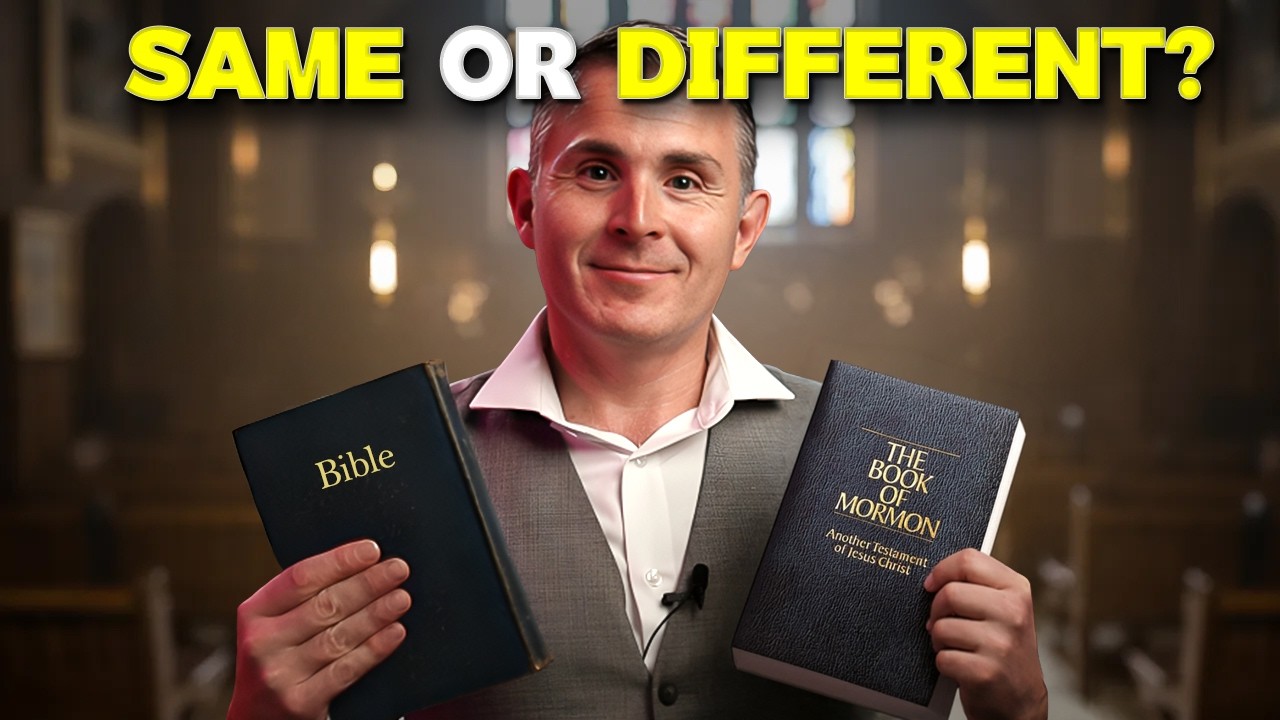
The Book of Mormon mentions the Church of God as early as 146 BC, long before Jesus Christ, showing that God’s church has existed throughout history. Membership was conferred through baptism, continuing the pattern of organization and discipleship.
Differences Between Synagogues and Temples
Synagogues and churches are primarily places for learning, teaching, and communal worship. Temples, however, are places for sacred ordinances and sacrifices, representing the highest form of worship. Temples symbolize Jesus Christ and His divine work.
Sacrifices Before and After Jesus Christ
Before Jesus, sacrifices included animals and offerings, such as Abraham preparing to sacrifice Isaac (Genesis 22:9). After Jesus, His death was the ultimate and final sacrifice:
“Behold, He offered Himself a sacrifice for sin, to answer the ends of the law unto all those who have a broken heart and a contrite spirit” (2 Nephi 2:7).
Today, sacrifices are spiritual, consisting of a broken heart and contrite spirit, demonstrating faith, humility, and repentance.
Church Organization in the Bible
Organization has always been part of God’s plan. In the Old Testament, Melchizedek served as priest (Genesis 14:18) and leaders were appointed to oversee groups of people (Exodus 18:21). In the New Testament, Jesus established the 12 apostles (Luke 6:13) and appointed 70 disciples to preach the gospel (Luke 10:1).
Different Positions in Church Organization
The New Testament lists various leadership roles within the church:
- Apostles
- Prophets
- Evangelists
- Pastors and Teachers (Ephesians 4:11)
- Bishops and Deacons (Philippians 1:1)
- Teachers, Priests, and Elders (Alma 4:7)
These roles ensure order, guidance, and administration within the church.
Persecution of the Church in Jesus’ Time
Acts 8:1-3 describes the persecution of the early church in Jerusalem, showing that believers often faced opposition for their faith, yet the church continued to grow and spread.
Conclusion
The Bible presents the church as both an organized body of believers and a spiritual community, distinct from physical structures like synagogues and temples. Worship, ordinances, and leadership roles have evolved over time, but the focus remains on Jesus Christ. Churches, synagogues, and temples all serve as settings for faith, teaching, and divine connection.
For those interested, free copies of the Bible and the Book of Mormon can provide additional insight into God’s plan and the role of His church. Links are available in the description of the original source video.