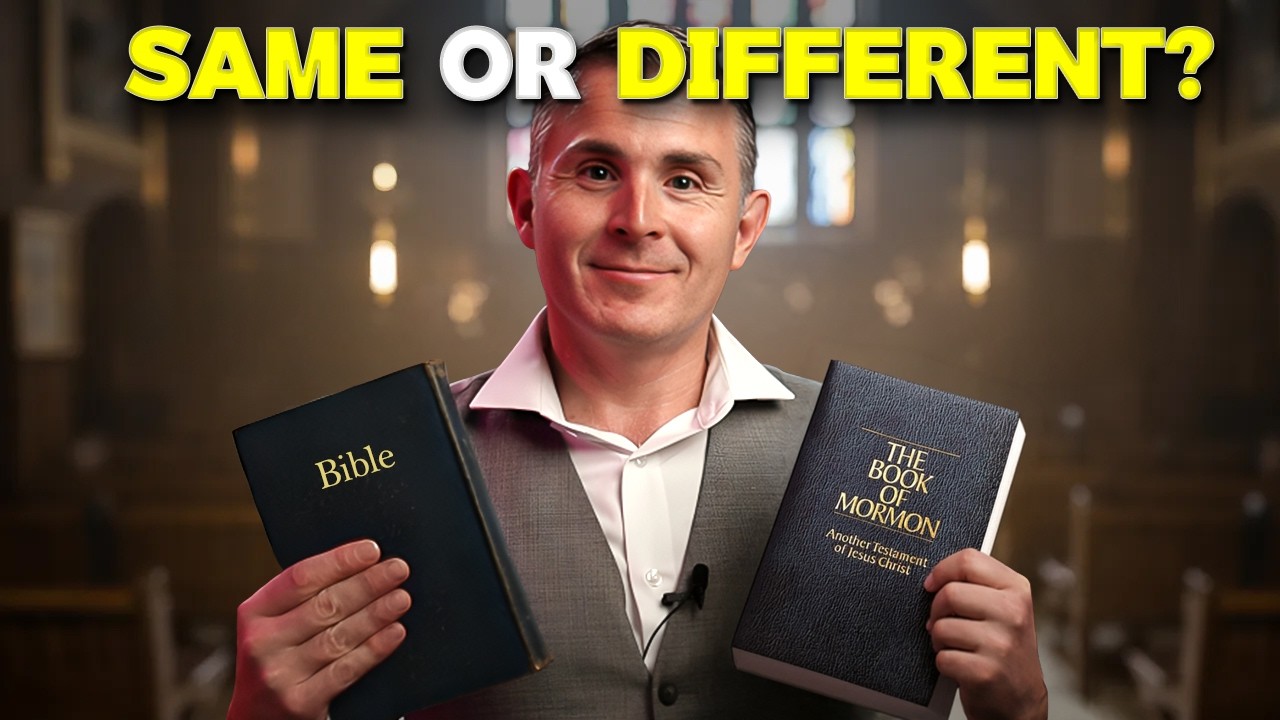
The question of whether the Bible contradicts itself has been debated for centuries. To be clear from the outset, this discussion is not about prophets contradicting other prophets. There is no credible evidence of that within the biblical text. Instead, many Bible scholars across different faith traditions agree that contradictions exist because the scriptures were shaped and controlled by two fundamentally different groups: the Deuteronomists and the prophets.
Understanding this divide changes how we read the Old Testament. It helps explain why certain passages seem to oppose one another, not because divine revelation is inconsistent, but because different groups preserved and promoted radically different theological perspectives.
The Two Competing Voices in the Old Testament
The Deuteronomists were a priestly and political group who controlled much of the biblical narrative, particularly the historical books such as Deuteronomy, Joshua, Judges, Samuel, and Kings. They emphasized the Law of Moses as final, complete, and closed.
The prophets—figures such as Jeremiah and Isaiah—often stood in direct opposition to this worldview. They claimed ongoing access to God, direct revelation, and a living relationship with the divine. Their writings repeatedly call the Deuteronomists to repentance and accuse them of corrupting God’s word.
Jeremiah’s Direct Challenge to Deuteronomy
One of the most striking examples of contradiction appears in the relationship between Deuteronomy and the prophet Jeremiah. Jeremiah demonstrates intimate knowledge of Deuteronomy and quotes it over 200 times—often to refute it.
Deuteronomy presents Moses as giving Israel a complete and sufficient law, portraying it as wisdom admired by all nations:
“Keep therefore and do them; for this is your wisdom and your understanding in the sight of the nations…” (Deuteronomy 4:6)
Jeremiah responds with a scathing rebuke:
“How do ye say, We are wise, and the law of the Lord is with us? Lo, certainly in vain made he it; the pen of the scribes is in vain.” (Jeremiah 8:8)
Jeremiah accuses the scribes of falsifying scripture and rejecting the true word of God. This is not subtle disagreement—it is outright condemnation.
Contradictions About the Nature of God
Another major contradiction concerns the nature of God Himself. Deuteronomy insists that God has no visible form:
“Ye heard the voice of the words, but ye saw no similitude; only ye heard a voice.” (Deuteronomy 4:12)
Yet Exodus tells a very different story:
“And they saw the God of Israel… and they did eat and drink.” (Exodus 24:10–11)
Jeremiah again weighs in, criticizing leaders who claim to hear God but refuse to follow Him:
“For who hath stood in the counsel of the Lord, and hath perceived and heard his word?” (Jeremiah 23:18)
The prophets describe God as approachable, visible, and relational—directly contradicting the distant, inaccessible deity portrayed by Deuteronomy.
Access to God: Closed or Ongoing?
Deuteronomy repeatedly asserts that revelation is complete and inaccessible beyond the law:
“The secret things belong unto the Lord our God…” (Deuteronomy 29:29)
In contrast, Jeremiah declares:
“Call unto me, and I will answer thee, and shew thee great and mighty things, which thou knowest not.” (Jeremiah 33:3)
This represents two incompatible theological frameworks—one closed and static, the other open and ongoing.
The “Cleansing” of the Temple Revisited
Second Kings portrays King Josiah as a righteous reformer who cleansed the temple of idolatry. On the surface, this appears virtuous. However, Isaiah—writing about the same period—condemns Jerusalem and its leaders as corrupt, likening them to Sodom and Gomorrah.
Isaiah rejects the temple rituals instituted by Josiah’s regime, calling their sacrifices abominations and accusing them of destroying true righteousness:
“Bring no more vain oblations; incense is an abomination unto me.” (Isaiah 1:13)
From the prophetic perspective, Josiah’s reforms were not restoration—they were apostasy.
The Messiah Removed from the Law
The prophets consistently testify of a coming Messiah. Jeremiah describes a righteous king from the line of David. Isaiah offers detailed prophecies of a suffering servant who would bear the sins of many.
Isaiah 53 alone presents an unmistakable portrait of Jesus Christ—His suffering, rejection, and atoning sacrifice.
Yet these messianic teachings are conspicuously absent from the Deuteronomistic version of Moses’ writings. The conclusion many scholars reach is that the Deuteronomists filtered Jesus Christ out of the Torah.
What We Learn from These Contradictions
Modern discoveries such as the Dead Sea Scrolls confirm this theological split. They validate the prophetic tradition and reveal doctrines that predate Christianity, including baptism, spiritual creation, and direct access to God.
The prophets teach of a God who is relational, accessible, and actively revealing truth. The Deuteronomists teach of a closed system centered on law and authority.
The Bible does contain contradictions—but not because God is inconsistent. Rather, those contradictions expose a struggle over who had the right to define God, revelation, and salvation.
When read through this lens, the Bible becomes not weaker, but clearer.