What does the Bible say about non-denominational churches? Interestingly, Scripture has quite a lot to say about unity, authority, and how God organizes His church. To explore this topic, we need to understand what non-denominational churches are, what the Bible emphasizes about unity, and how authority and leadership are established according to Scripture.
What Is a Non-Denominational Church?
In simple terms, non-denominational churches are typically led by church members—often elders—and emphasize the Bible as the sole authority for worship, teaching, and church life. They generally reject hierarchical church structures and view the church primarily as a community of believers rather than an organized institution.
At first glance, this sounds straightforward and even appealing. However, the Bible consistently emphasizes something deeper than independence: unity, shared ordinances, and divinely established authority.
The Importance of Ordinances
Scripture teaches that ordinances are not optional add-ons but essential parts of worship and community life. In Numbers 15:15, we read:
“One ordinance shall be both for you of the congregation, and also for the stranger that sojourneth with you…”
This verse highlights that God establishes ordinances for His people collectively. Ordinances are meant to unify believers rather than fragment them into separate interpretations or practices.
God’s Desire for Unity
The Bible repeatedly teaches that God desires His people to be unified. In Ezekiel 37:22, God declares:
“I will make them one nation… and they shall be no more two nations, neither shall they be divided into two kingdoms any more at all.”
Applied to Christianity today, this raises an important question: if God desires unity, how do countless denominations—and even non-denominational movements—fit into that vision?
Amos reinforces this idea clearly in Amos 3:3:
“Can two walk together, except they be agreed?”
Unity requires agreement, shared truth, and a common foundation.
The Role of Prophets in Unity
Just a few verses later, Amos 3:7 explains how God creates that unity:
“Surely the Lord God will do nothing, but he revealeth his secret unto his servants the prophets.”
Throughout Scripture, God establishes prophets to reveal truth, guide His people, and prevent division. The Bible itself exists because God revealed His word through prophets. When Scripture is used to divide rather than unite, it contradicts its original purpose.
Serving God with One Purpose
Zephaniah 3:9 further emphasizes unity:
“For then will I turn to the people a pure language, that they may all call upon the name of the Lord, to serve him with one consent.”
While interpretations of “pure language” may vary, the message is clear: God desires His people to serve Him together, with shared understanding and purpose.
The Example of Jesus Christ
Jesus Himself modeled perfect unity. In John 10:30, He declared:
“I and my Father are one.”
They were unified in purpose, doctrine, and authority. This unity becomes the model for Christ’s followers.
The Unity of the Early Church
After Christ’s ministry, the early church demonstrated remarkable unity. Acts 4:32 states:
“And the multitude of them that believed were of one heart and of one soul…”
Paul reinforces this in Romans 12:5:
“So we, being many, are one body in Christ…”
And even more explicitly in 1 Corinthians 1:10:
“That ye all speak the same thing, and that there be no divisions among you…”
These verses leave little room for intentional division within Christ’s church.
Authority in the Church
One major reason people turn to non-denominational churches is disagreement among denominations. While the desire to avoid division is understandable, Scripture points to authority—not independence—as the solution.
In Luke 9:1, Jesus gave His apostles:
“Power and authority…”
Jesus taught with authority (Mark 1:22) and deliberately passed that authority to others (Mark 13:34, John 15:16). He did not instruct His followers to rely solely on written texts but commissioned them personally to teach, baptize, and build the church.
Ordination and Laying on of Hands
Before sending others to preach, authority was formally given. Acts 13:3 describes this process:
“When they had fasted and prayed, and laid their hands on them, they sent them away.”
Paul explains the organized structure of the church in Ephesians 4:11:
“And he gave some, apostles; and some, prophets; and some, evangelists; and some, pastors and teachers.”
Scripture consistently shows that leadership and authority in the church are established through divine calling and ordination.
Authority Beyond the Bible Alone
While the Bible is sacred and authoritative, it came through a system God designed—prophets, apostles, and priesthood authority. Without acknowledging that system, unity becomes difficult to maintain.
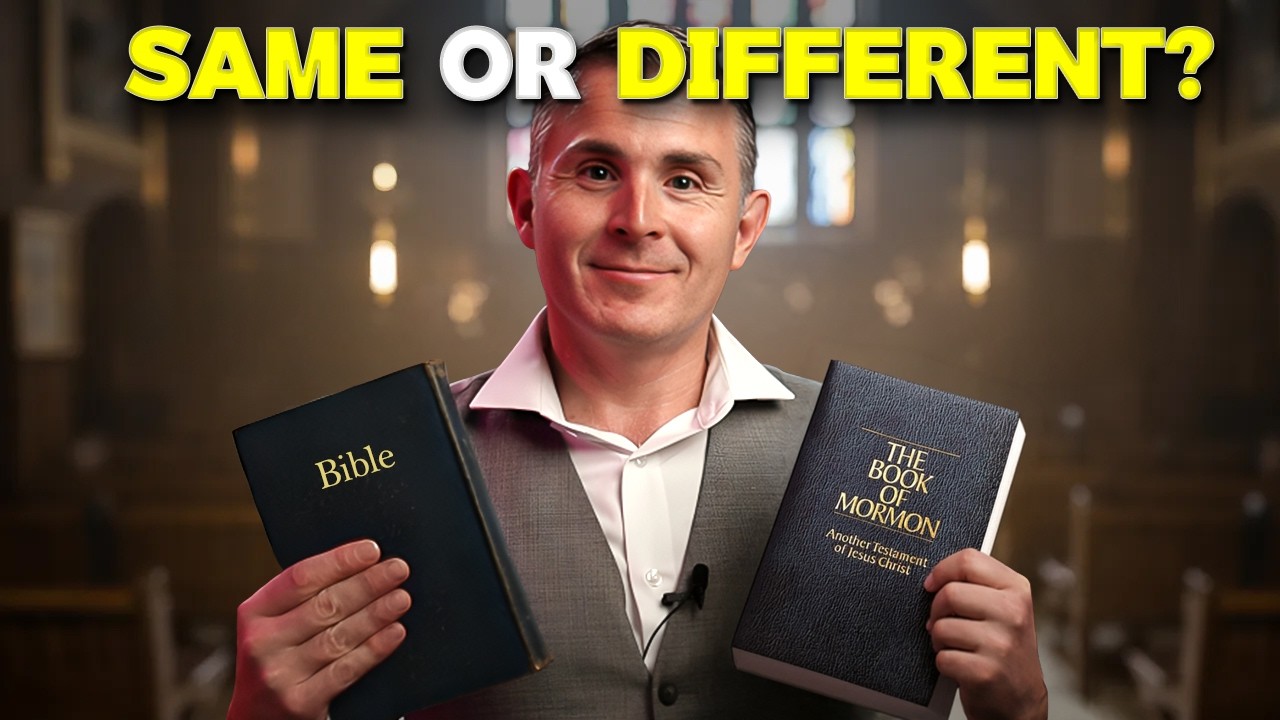
Even additional scriptures, such as those found in the Book of Mormon and Doctrine and Covenants, reflect this same biblical pattern of consecration, authority, and organization.
Doctrine and Covenants 42:11 teaches:
“It shall not be given to anyone to go forth to preach my gospel… except he be ordained by someone who has authority…”
So What Does This Mean for Non-Denominational Churches?
The Bible emphasizes unity, shared doctrine, ordinances, and divinely established authority. While non-denominational churches often seek unity by rejecting denominational labels, Scripture points toward unity through revealed truth and authorized leadership rather than independence.
Ultimately, the Bible invites believers to seek unity not by avoiding structure, but by aligning with the pattern God has consistently used to guide His people.
If you want to explore this topic further, especially the biblical role of prophets, that discussion naturally builds on everything covered here.